
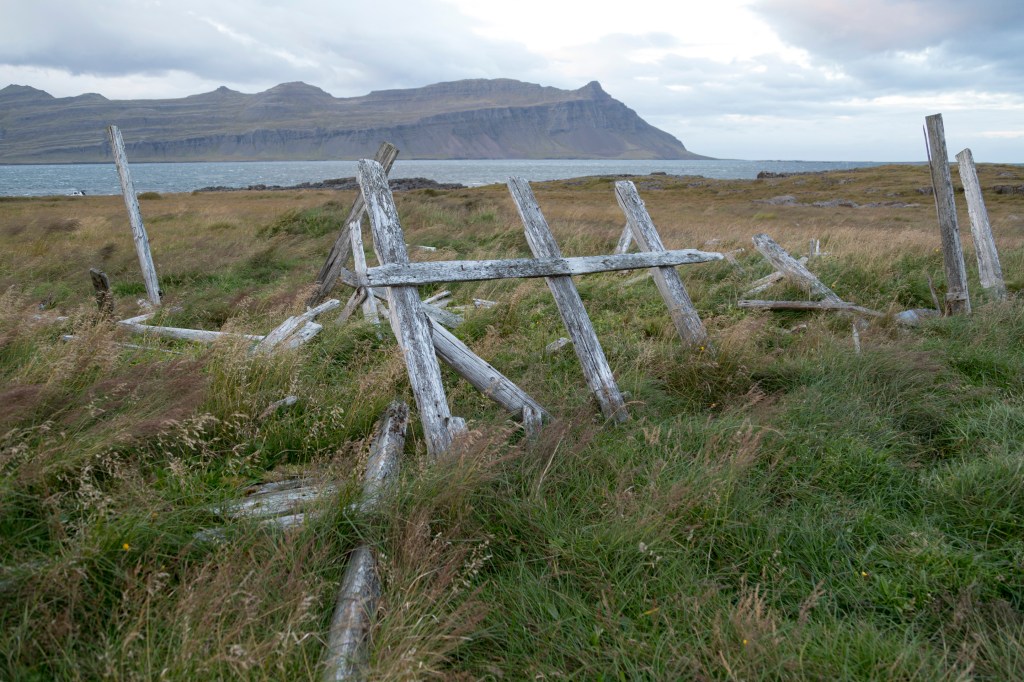
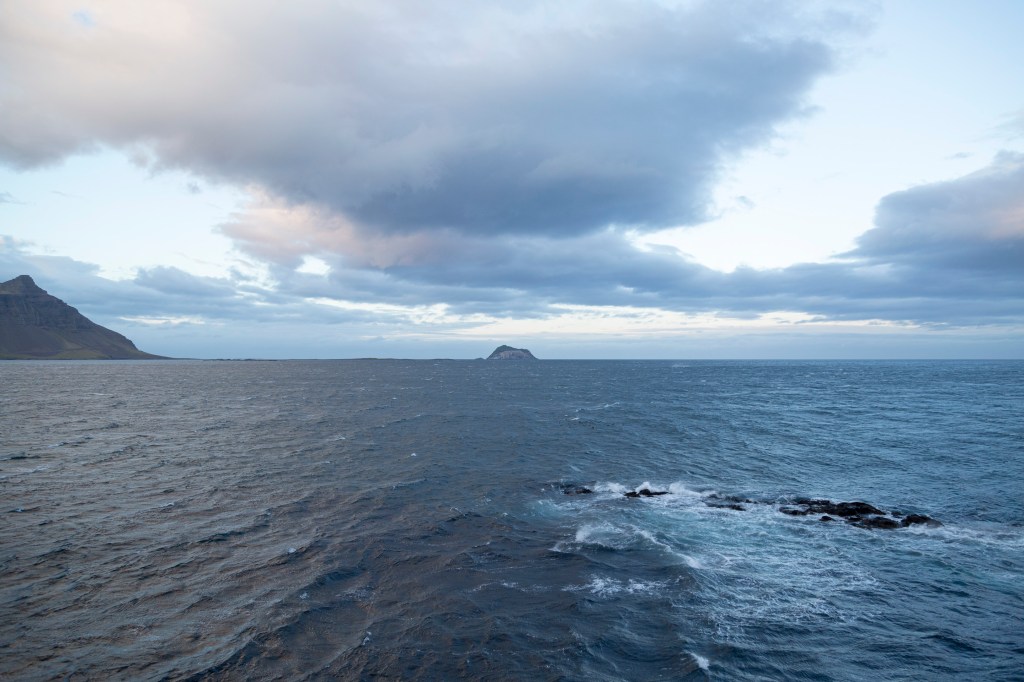
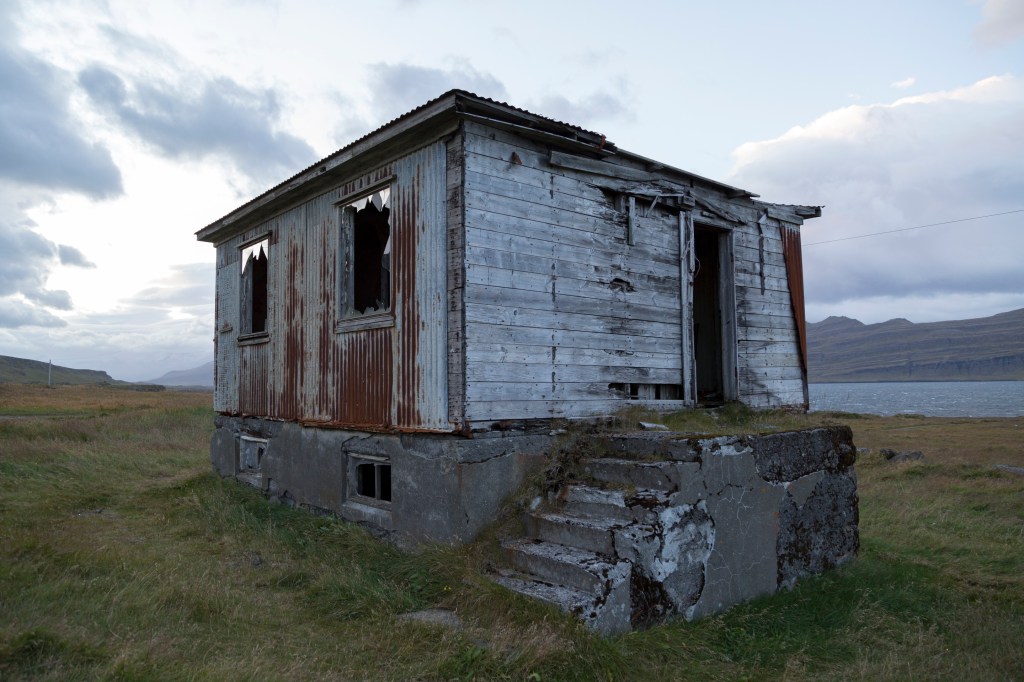
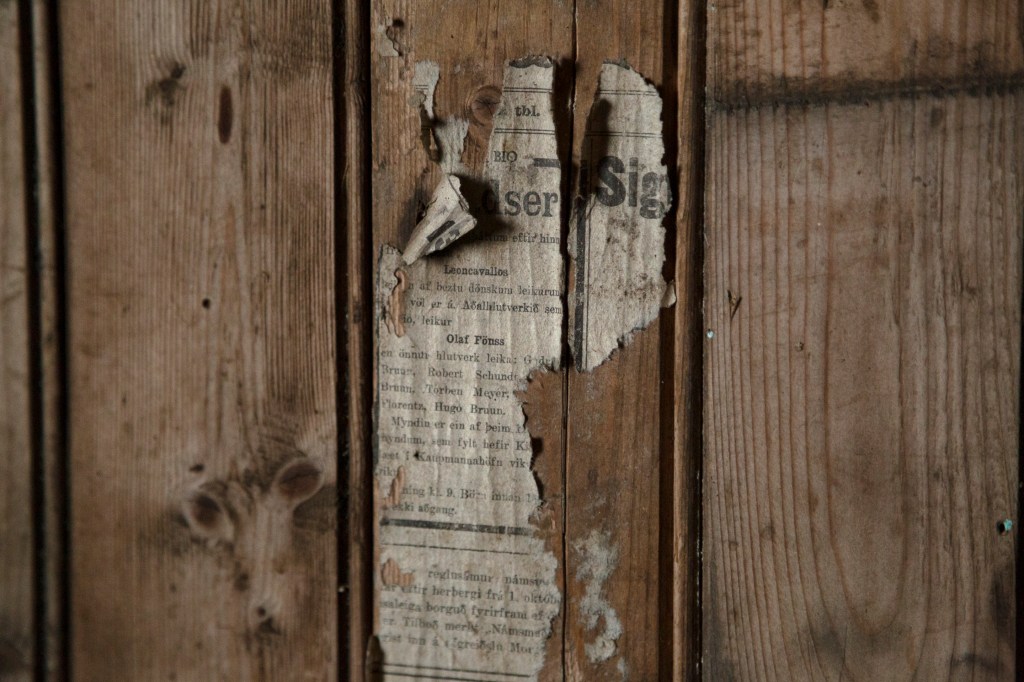








Islandsfisket var viktigt för byarna utmed den franska nordkusten, som Dunkerque och Paimpol. I Dunkerque sysselsatte verksamheten omkring 6,000 personer på 1860-talet.
Det har estimerats att 4,000 sjömän gick förlorade på de isländska vattnen mellan 1825 och början av första världskriget. År 1886 publicerades Pierre Lotis roman ”Islandsfiskare”. Där skildrar Loti fisket och förhållandet för de franska fiskarna och boken startade en rörelse som kom att förbättra arbetsförhållandena för de franska sjömännen. Tillsammans med katolska kyrkan bildades Société des Oeuvres de Mer – Sjöarbetarförbundet.
När första världskriget bröt ut 1914 slutade fransmännen att segla till Island.
September 2017
—
From the early 17th century and for more than 300 years, French fishermen sailed to Iceland to fish for cod. They introduced new fishing techniques and built hospitals, giving the Icelanders access to modern healthcare.
Icelandic fishing was important for the villages along the French north coast, such as Dunkirk and Paimpol. The operations employed around 6,000 people in Dunkirk in the 1860s.
It has been estimated that 4,000 sailors perished on the Icelandic waters between 1825 and the beginning of World War I. Pierre Loti’s novel ”An Iceland Fisherman” was published in 1886. Loti describes the fishing and the conditions of the French fishermen, and the book started a movement that came to improve the working conditions for the French sailors. Together with the Catholic Church, Société des Oeuvres de Mer – the Sea Workers Society, was formed.
With the outbreak of World War I in 1914, the French stopped sailing to Iceland.
September 2017
 Tomma rum