


1914 blir Malmbanan den första längre järnvägen i Sverige att elektrifieras. Elektriciteten kommer från nybyggda Porjus kraftverk och man uppför tre transformatorstationer, i Abisko, Vassijaure och Torneträsk.
Under andra världskriget har Malmbanan en avgörande betydelse eftersom den tyska krigsmaskinen är beroende av svensk järnmalm. Det blir Sveriges enskilt största export under de här åren. I början av kriget täcker svensk malm 40 procent av Tysklands järnmalmsbehov.
2012 fraktas 29 miljoner ton malm på Malmbanan, 44 procent av den totala godsmängden på Sveriges alla järnvägar.
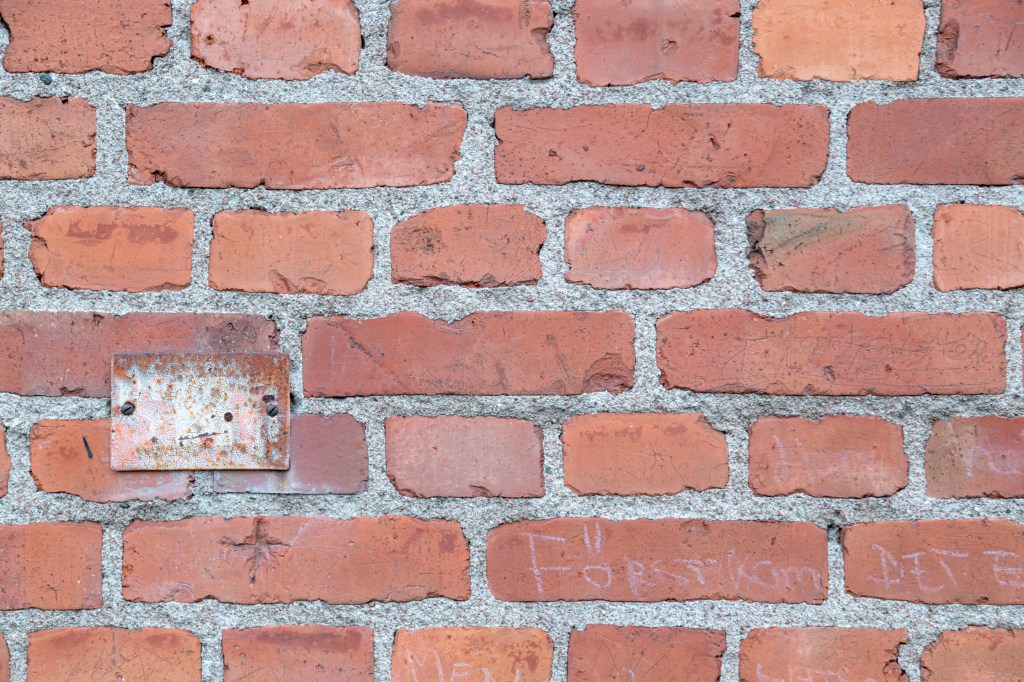
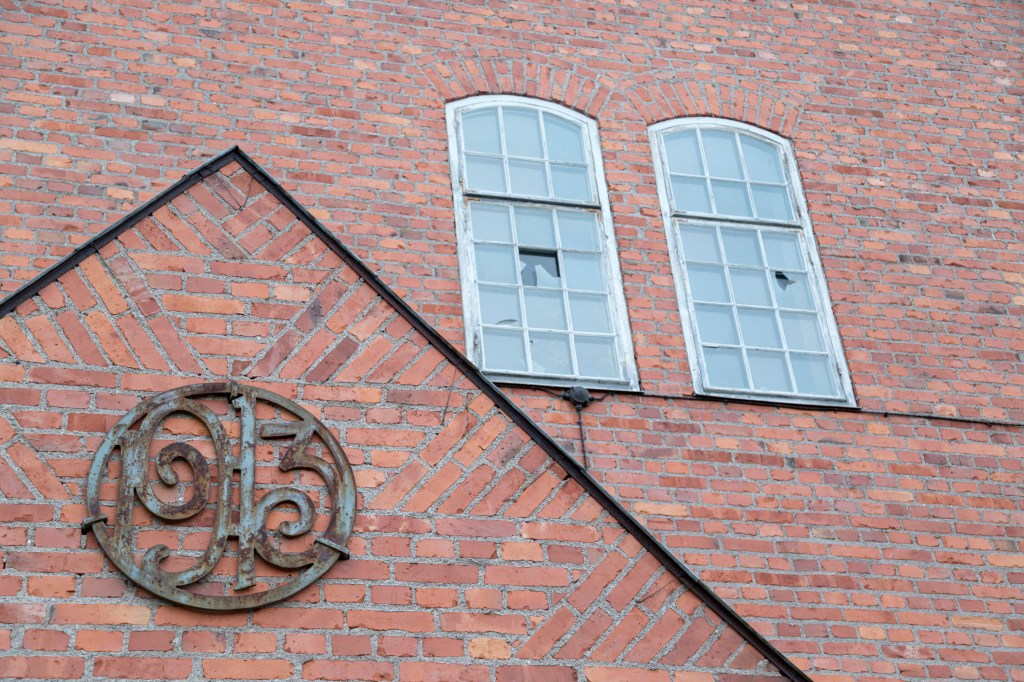
Bilder från Torneträsk transformatorstation.
Maj 2014
—
The severe cold
To extract the rich deposits of iron ore in Lapland on a large scale, a railway is needed. The solution is the Iron Ore Line. The southern stretch to Luleå officially opens for traffic in 1892 and the first ore train northwest to Narvik rolls in November 1902. Early transports go by steam locomotive, but the access to water is restricted by the severe cold.
In 1914, the Iron Ore Line becomes the first railway in Sweden of considerable length to be electrified. The electricity comes from newly built Porjus power plant and three substations are set up, in Abisko, Vassijaure and Torneträsk.
The Iron Ore Line plays a crucial role during the Second World War. The German war machine is dependent on Swedish iron ore and this will come to be Sweden’s single largest export during these years. At the beginning of the war, Swedish ore covers 40 percent of Germany’s total needs.
In 2012, 29 million tonnes of ore is transported on the Iron Ore Line, 44 percent of the total cargo volume on all of Sweden’s railways.
Pictures from Torneträsk substation.
May 2014
 Tomma rum